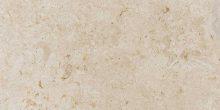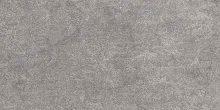

2CM (0.8″) PORCEA AURA WHITE
1 March 2000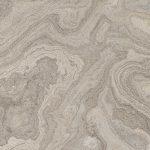
2CM (0.8″) PORCEA ERAMOSA
3 March 2000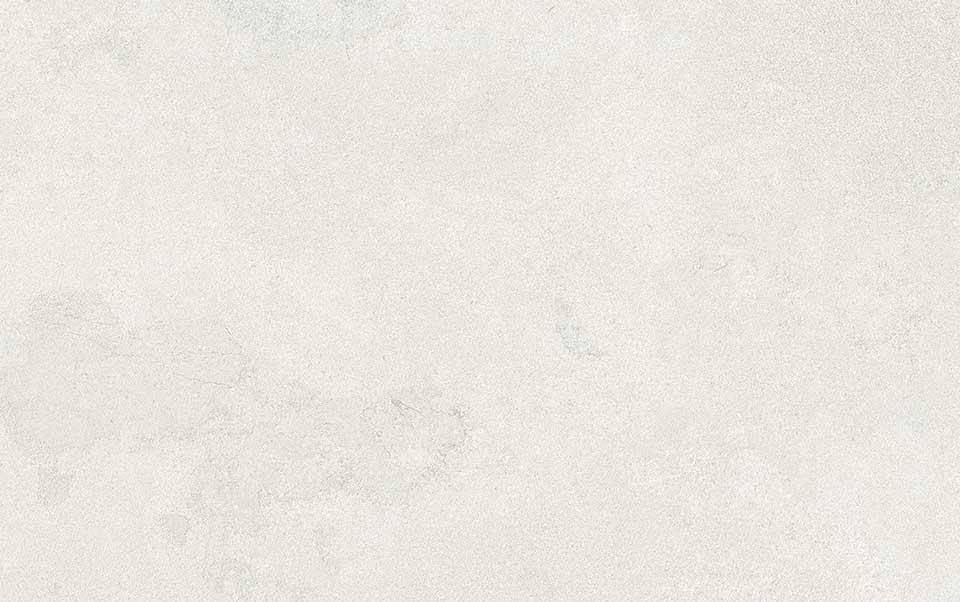
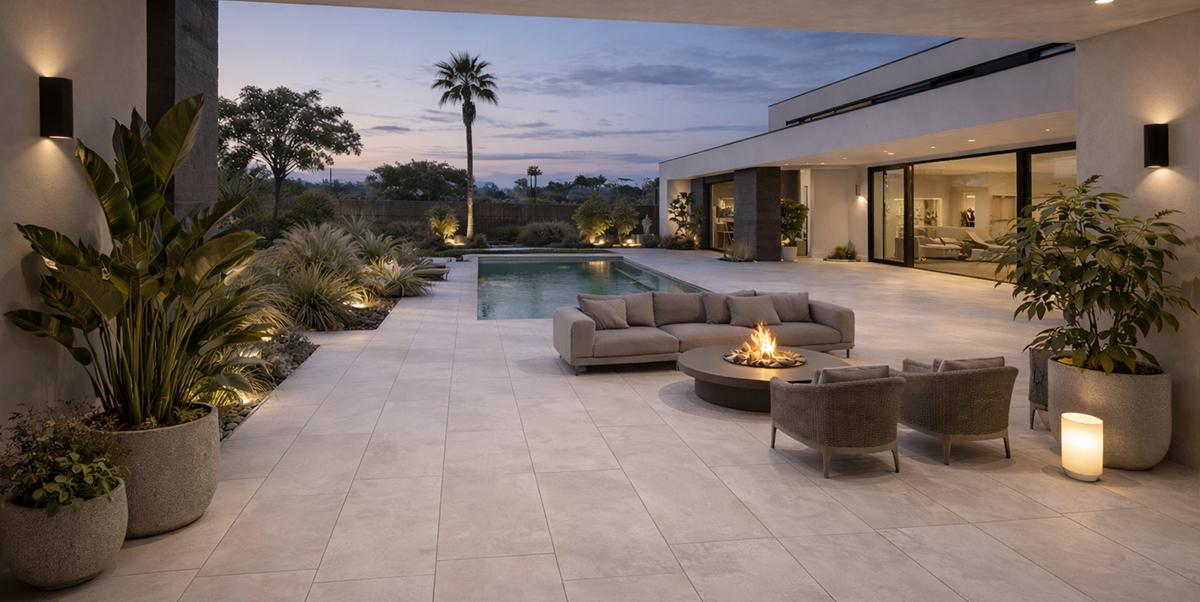
PORCEA Casablanca
Material balance and natural light
Porcea Casablanca originates from a careful reinterpretation of Portland stone with cross-cut finish, translated into sintered stone to create surfaces with a measured elegance and a strong architectural vocation. The result is a slab that expresses a light, soft and luminous aesthetic, capable of interacting with contemporary architecture without ever dominating it.
The chromatic base develops on a clear and neutral background, where a very delicate grey blends with subtle warm beige undertones. Fine tonal variations cross the surface, generating depth and visual movement while preserving overall harmony.
The graphic pattern is soft and irregular, without marked directional lines. Light clouding, diffused shading and discontinuous textures evoke the natural stratification of stone, creating a balanced and refined visual effect.
Porcea Casablanca features a fine and compact texture, with a dense and silky appearance. Small pinpoint details and micro-chromatic variations enrich the surface without interrupting its formal cleanliness, making the slab extremely versatile and easy to combine with other materials.
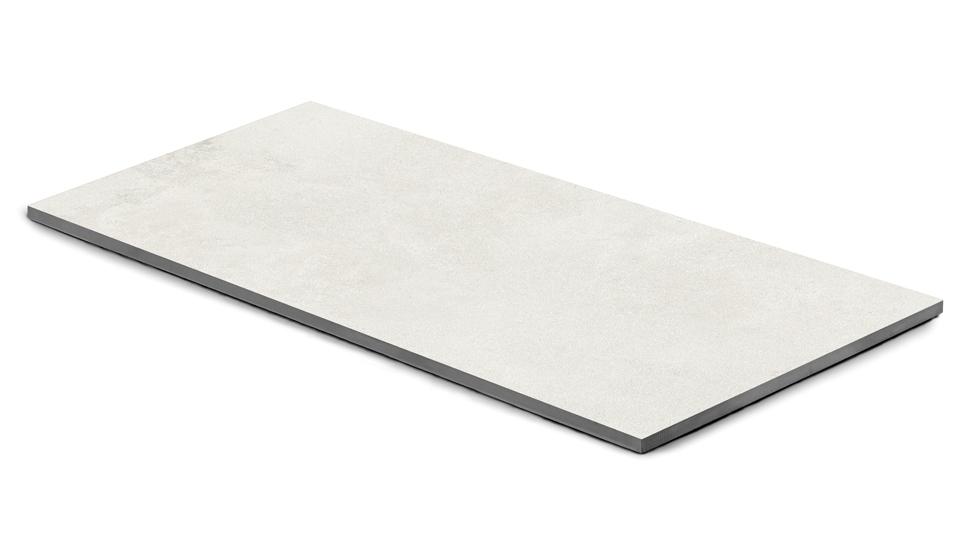
Advantages of PORCEA Casablanca:
- Authentic Portland cross-cut inspiration: faithfully reproduces the natural aesthetics of cross-cut stone with a soft, non-directional and contemporary graphic.
- Light and balanced colour palette with compact texture: a luminous grey-beige base that enhances spaces without weighing them down, ideal for refined paving and wall cladding. The surface appears visually smooth and homogeneous, ensuring aesthetic continuity and design quality.
- Controlled variability: each slab features subtle graphic differences that enhance authenticity while maintaining a harmonious overall result.
Size
60x120x2 cm (24"x48"x0.8")
Solar Reflectance
Index (SRI)
The Solar Reflectance Index (SRI) measures a material's ability to reflect solar energy and release absorbed heat, essentially indicating how "cool" a surface will stay in sunlight. It combines solar reflectance (how much sunlight bounces off) and thermal emittance (how well it radiates absorbed heat). Higher SRI values mean a material will stay cooler when exposed to sunlight, making it beneficial for reducing heat buildup in buildings and mitigating the Urban Heat Island effect.